Essential Canine First Aid Kit: A Comprehensive Guide for Dog Owners
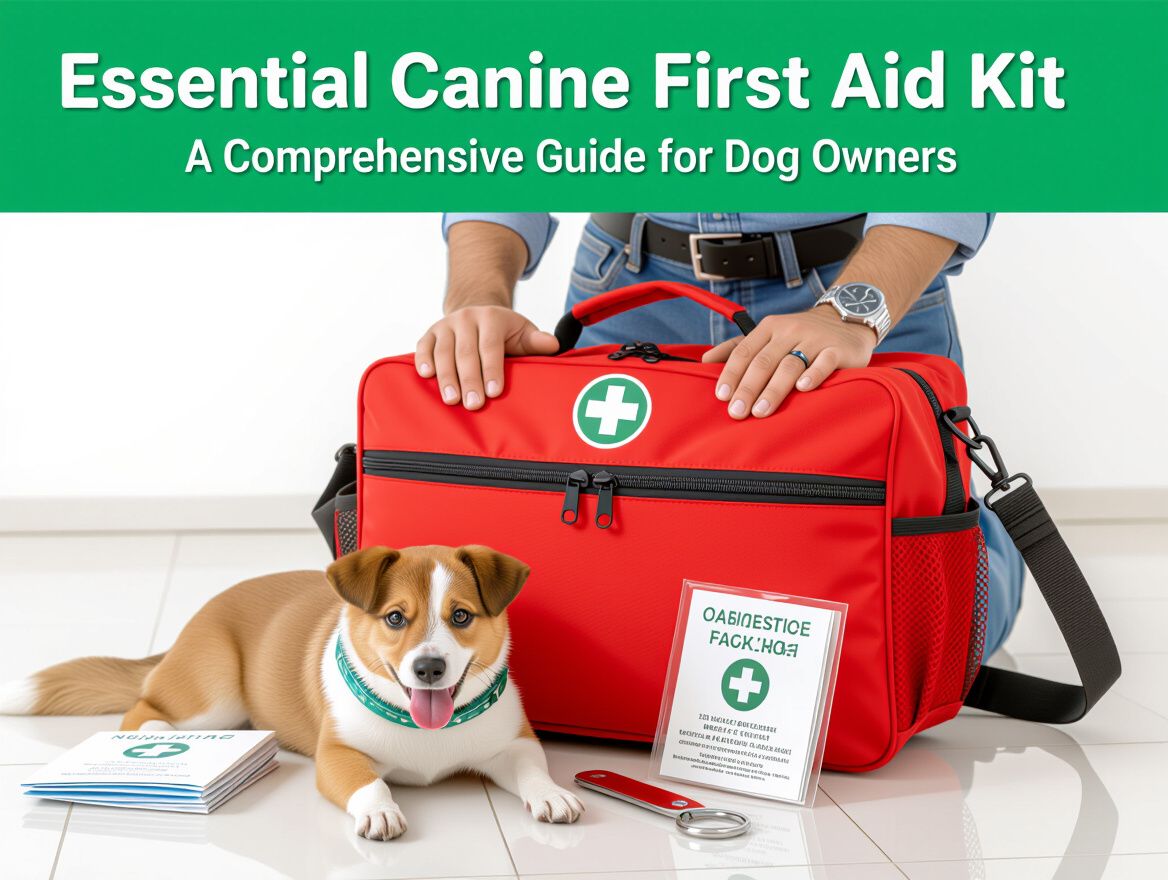
Just like humans, dogs can encounter injuries and health issues that might require immediate care. A canine first aid kit is essential for pet owners to be prepared for any situation. This article will outline the necessary items to include, such as antiseptics, bandages, and any specific medications your dog might need. It will also provide tips on how to recognize emergencies and apply first aid to your furry friend.
Creating a Canine First Aid Kit for Your Dog
I. Understanding the Importance of a Canine First Aid Kit
A. Proactive Pet Emergency Preparedness
As responsible dog owners, we strive to provide the best for our furry companions. This includes being prepared for the unexpected. Accidents and sudden illnesses can happen at any time, and having a well-stocked canine first aid kit is a crucial step in proactive pet emergency preparedness. While veterinary care is paramount, a kit can bridge the critical gap between an incident occurring and reaching professional help. Swift action with the right supplies can significantly improve your dog's outcome, stabilize their condition, and provide immense peace of mind.
B. Defining a Canine First Aid Kit
A canine first aid kit is a curated collection of supplies designed to manage immediate health concerns and minor injuries in dogs. It's not a substitute for veterinary attention, but rather a tool to stabilize your pet, prevent further harm, and offer comfort during an emergency. Assembling or purchasing a comprehensive kit means you are ready to respond effectively when your dog needs it most, significantly reducing panic and enabling more confident action.
II. Essential Components of Your Canine First Aid Kit
A well-equipped canine first aid kit covers a range of potential scenarios, from minor cuts to more serious distress. Here are the essential items to consider for your dog first aid supplies.
A. Wound Care and Bandaging Supplies
- Antiseptic Wipes/Solution: For cleaning wounds and preventing infection.
- Sterile Gauze Pads: To cover wounds, absorb fluids, and apply pressure.
- Non-Stick Sterile Pads: Ideal for sensitive wounds where sticking is a concern.
- Adhesive Bandage Tape: To secure gauze and bandages.
- Roller Gauze/Elastic Bandages: For wrapping wounds and providing support.
- Cotton Balls/Swabs: Useful for applying ointments or cleaning small areas.
- Styptic Powder/Pencil: To quickly stop bleeding from minor cuts, such as nail trims.
- Saline Solution: For flushing wounds or eyes gently.
B. Tools and Instruments
- Medical Scissors: For cutting bandages, tape, or fur around a wound.
- Tweezers: To remove splinters, ticks, or debris from wounds.
- Disposable Gloves: To maintain hygiene and protect yourself from potential infection.
- Thermometer (pet-specific): Rectal thermometers are typically recommended for pets to accurately gauge body temperature.
- Muzzle (soft): Even the gentlest dog may bite when in pain or stressed. A soft muzzle can ensure safety for you and your pet.
- Emergency Blanket: A lightweight blanket to help regulate body temperature in cases of shock or hypothermia.
- Syringe/Dropper: For administering liquid medications or flushing wounds.
- Magnifying Glass: To help with inspecting small wounds or removing foreign objects.
C. Medications and Topical Treatments (Consult Your Veterinarian)
Crucially, always consult your veterinarian before administering any medication to your dog. They can provide specific dosages, recommendations, and warnings based on your dog's individual health.
- Antibiotic Ointment: To prevent infection in minor wounds.
- Antihistamines: Can be used for allergic reactions, but veterinary dosage guidance is essential.
- Sterile Eyewash: A specific solution for flushing irritants from your dog's eyes.
- Oral Syringe: For administering liquid medications accurately.
- Hydrogen Peroxide (3%): Use with extreme caution and only as directed by a veterinarian, as it can be used to induce vomiting in certain poisoning situations. Overuse can be harmful.
- Prescription Medications: Any current medications your dog requires should be included, especially if traveling.
D. Emergency Contact and Information
- Veterinarian's Contact Information: Include the name, address, and phone number of your regular vet and an emergency animal hospital.
- Dog's Medical Records: A copy of vaccination history and any relevant medical conditions or allergies.
- A First Aid Manual for Dogs: A quick reference guide for common emergencies.
- Pen and Paper: To record vital signs, observations, or notes for the veterinarian.
III. Building Your Canine First Aid Kit: Practical Considerations
Assembling your canine first aid kit can be done in a few ways, each with its own advantages.
A. Choosing the Right Container
The container for your pet first aid kit essentials should be durable, ideally waterproof, and offer good organization. It needs to be large enough to hold all your supplies but portable enough for different situations. You can find a wide variety of pre-made options, such as this 350-piece first aid kit for car, home, travel, camping or explore more first aid kits. Alternatively, creating a DIY kit allows for complete customization. Refer to this DIY guide/checklist for step-by-step instructions.
B. Customizing Your Kit
Your emergency kit for dogs should be tailored to your specific needs. Consider your dog's breed, age, pre-existing health conditions, and your lifestyle. For instance, "what to put in a dog first aid kit for hiking" will be different from a kit used primarily at home. Hikers might need extra attention to paw protection, insect repellent (pet-safe), and blister treatment. Dogs with chronic conditions may require more specific medications or supplies.
C. Storage and Maintenance
Store your canine first aid kit in an accessible location, such as a designated shelf in your home, your car's glove compartment, or your hiking backpack. Regularly check expiration dates on medications and supplies, and promptly restock any items that have been used or are nearing their expiration. This ensures your dog first aid supplies are always ready when needed.
IV. How to Use Your Canine First Aid Kit: Basic Techniques
Knowing what’s in your kit is only half the battle; understanding how to use it is vital.
A. Assessing the Situation and Your Dog
Before approaching your injured dog, ensure your own safety. If the situation is volatile, approach calmly and speak in a soothing voice. Assess your dog's overall condition: Are they conscious? Breathing? Bleeding? Observe their body language for signs of pain or distress.
B. Basic Wound Care and Bandaging
For minor wounds, gently clean the area with antiseptic wipes or a saline solution. Apply a sterile dressing and secure it with adhesive tape and roller gauze. If there's bleeding, apply direct pressure with a sterile gauze pad. For more significant wounds, control bleeding as best you can until you can get veterinary assistance.
C. Handling Common Emergencies
- Heatstroke: Move your dog to a cooler environment and offer small amounts of cool (not icy) water. Apply cool, wet cloths to their body. Seek immediate veterinary care.
- Choking: If your dog is choking, carefully check their mouth for obstructions. If visible and removable, try to dislodge it with tweezers. If not, and they are conscious but struggling to breathe, you may consider the Heimlich maneuver for dogs. This is a technique best learned through a pet first aid course.
- Poisoning: If you suspect your dog has ingested something toxic, call an animal poison control center or your veterinarian immediately. Do NOT induce vomiting unless specifically instructed to do so by a professional.
- Minor Injuries: Clean and dress cuts, scrapes, or abrasions as described above.
- Burns: For thermal burns, gently cool the area with cool water. Do not apply ointments or attempt to remove stuck material. Seek veterinary attention.
D. When to Seek Veterinary Care
It is critical to know when basic first aid is insufficient. Seek immediate professional veterinary care for: difficulty breathing, severe bleeding, deep wounds, suspected fractures, unconsciousness, seizures, severe vomiting or diarrhea, signs of heatstroke or hypothermia, suspected poisoning, or any situation where you are unsure or concerned about your dog's condition. When transporting an injured dog, do so safely and calmly, supporting any injured areas.
V. Beyond the Kit: Additional Pet Emergency Preparedness
A canine first aid kit is a cornerstone of pet emergency preparedness, but it's part of a larger picture.
A. Pet First Aid Training Courses
Enroll in a pet first aid and CPR course. These courses provide hands-on training in essential life-saving techniques and build confidence in handling emergencies.
B. Emergency Evacuation Plans
Include your pets in your family's disaster and evacuation plans. Have a designated carrier, food, water, and medications ready for a quick departure.
C. Creating a Pet Emergency Contact List
Beyond your veterinarian, list contacts for local emergency animal hospitals, trusted pet sitters, friends who can help in an emergency, and animal poison control hotlines.
D. Regularly Reviewing and Updating Your Kit and Plan
Preparedness is an ongoing process. Periodically review the contents of your canine first aid kit, check expiration dates, and restock as needed. Also, revisit your emergency plan to ensure it remains relevant to your circumstances.
VI. Conclusion
A. The Lifesaving Power of a Canine First Aid Kit
A well-equipped and understood canine first aid kit is an indispensable tool for any dog owner. It represents your commitment to your dog's health and safety, empowering you to act decisively in critical moments. Owning the right dog first aid supplies can truly make a life-saving difference.
B. Investing in Your Dog's Well-being
Investing time and resources into creating and maintaining a canine first aid kit is an investment in your dog's well-being and your peace of mind. By being prepared, you are not only safeguarding them against potential harm but also reinforcing the bond of responsible pet ownership and providing the best possible care for your loyal companion.